
Pakistan and Iran Finalise Free Trade Deal as $6 Billion Trade Eyes $10 Billion
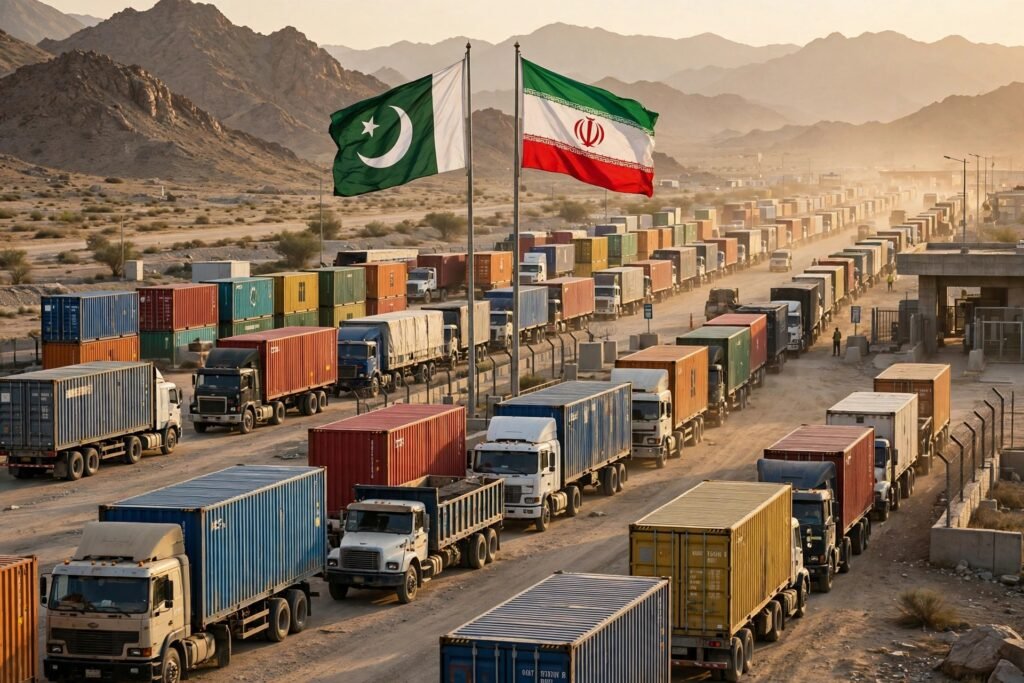
Pakistan and Iran have completed negotiations on a free trade agreement that could take effect before the end of this year, in a move officials say could push trade between the neighbours from about $6 billion to more than $10 billion.
Seyyed Mehrdad Siyadat-Nasab, deputy director of the East Asia and Subcontinent Office at Iran’s Trade Promotion Organization, said the talks had concluded, the two sides had exchanged the lists of goods covered by the deal, and the agreement was now in its final stages. Officials hope the first phase can be implemented before the year ends.
Under the arrangement, customs tariffs on a major share of Iranian goods shipped to Pakistan would fall to zero, while Iran would grant tariff concessions on some Pakistani exports in return.
What it means for prices and industry
Iran’s main exports to Pakistan include petrochemicals, liquefied petroleum gas (LPG), steel, tiles and ceramics — goods that reach Pakistani markets both formally and through informal channels. Duty-free entry could make some of these products cheaper for Pakistani shoppers and builders, though it would also sharpen competition for local industries producing the same goods.
Siyadat-Nasab put the current volume of formal and informal trade between the two countries at about $6 billion, and said the economic capacity of the two sides could carry it beyond $10 billion — though he noted both countries still fall short of an estimated $16 billion potential.
A long road to the deal
The free trade agreement has been years in the making. Successive leadership visits — including Iranian presidential trips to Islamabad — set the $10 billion trade target, and the two countries’ Joint Economic Commission has signed protocols to dismantle tariff and non-tariff barriers, expand electricity exchanges and activate cross-border markets along their roughly 900-kilometre shared border.
Business leaders in Pakistan have welcomed the steps, arguing that cheaper energy-linked imports and a formalised border trade could benefit consumers and exporters alike, provided the infrastructure and follow-through match the ambition.
What happens next
The deal now moves to finalisation and signing, after which its first phase would begin cutting duties on the listed goods. Traders on both sides of the border will be watching the fine print: which products are covered, how quickly the zero-tariff lines take effect, and whether banking and transport hurdles that have long shadowed Pak-Iran commerce are eased alongside it.
Sources: Financial Tribune, 20–21 November 2026; Press TV via IRNA, 22 November 2026; Tehran Times.
Will cheaper Iranian goods help Pakistani shoppers — or hurt local industry? Tell us in the comments.
پاکستان اور ایران کے درمیان آزاد تجارت کا معاہدہ آخری مراحل میں داخل
پاکستان اور ایران نے آزاد تجارت کے معاہدے پر مذاکرات مکمل کر لیے ہیں اور توقع ہے کہ یہ معاہدہ اسی سال کے اختتام سے پہلے نافذ ہو جائے گا۔ ایران کی تجارتی فروغ کی تنظیم کے عہدیدار مہرداد سیادت نسب کے مطابق دونوں ممالک نے معاہدے میں شامل اشیا کی فہرستوں کا تبادلہ کر لیا ہے۔ معاہدے کے تحت پاکستان آنے والی بیشتر ایرانی مصنوعات پر کسٹم ڈیوٹی ختم ہو جائے گی جبکہ بعض پاکستانی برآمدات کو بھی رعایتیں ملیں گی۔ اس وقت دونوں ممالک کے درمیان رسمی اور غیر رسمی تجارت تقریباً 6 ارب ڈالر ہے جو بڑھ کر 10 ارب ڈالر سے تجاوز کر سکتی ہے۔ ایران سے پاکستان آنے والی اہم اشیا میں پیٹروکیمیکلز، ایل پی جی، اسٹیل، ٹائلز اور سیرامکس شامل ہیں، جن کے سستا ہونے کا امکان ہے، تاہم مقامی صنعتوں کو مقابلے کا سامنا بھی کرنا پڑ سکتا ہے۔